Full Moon release sounds beautiful until you realize the thing you need to release is not dramatic. It is not always an ex, a curse, a grand wound, or a shadowy secret from another lifetime. Sometimes it is the habit of checking your phone before you pee in the morning. Sometimes it is the old resentment you feed in tiny portions. Sometimes it is the way you say “no worries” when you are, in fact, full of worries and a little bit furious. The Full Moon is bright enough to show the unflattering stuff too.
When you ask what old baggage or habits need to go, be ready for a plain answer. Tarot may not give you the glamorous wound. It may point to sleep, spending, avoidance, gossip, people-pleasing, comparison, or the way you keep rehearsing conversations with people who are not in the room. Release work is often less like a ceremony on a mountain and more like deleting the draft, taking the trash out, and admitting that a habit has been costing you more than it gives back.
A simple Full Moon spread can use five cards: what I am carrying, where it came from, how it shows up now, what I can release this week, and what support helps me release it. I include “this week” on purpose. Forever is too big. Forever makes the mind perform. This week is real. This week you can stop checking one account, clean one drawer, tell one truth, decline one obligation, or catch one old thought before it becomes a whole evening of self-punishment.
If the Ten of Swords appears, the baggage may be the story that you are always the one ruined by what happens. I say this carefully because pain is real. Betrayal is real. Exhaustion is real. But sometimes, after enough hurt, the mind starts lying in the voice of protection. It says nothing will change. It says everyone leaves. It says you may as well expect the worst. Ten of Swords can mark an ending, yes, but it also asks whether you keep lying down in the same old ending long after morning has come.
If the Eight of Cups appears, release may mean leaving an emotional pattern before you have a perfect explanation. You may not hate the situation. You may not have proof that it is wrong. You may simply feel your energy walking away. This can happen with friendships, routines, jobs, habits, and versions of yourself that once felt necessary. The hard part is that old baggage often argues well. It reminds you of good memories. It says you are being dramatic. It asks who you think you are to want something quieter.
The Devil can show habits that give quick relief and long regret. Scrolling until your eyes hurt. Spending because the package gives you something to wait for. Drinking to soften the edge. Texting someone who makes you feel chosen for twenty minutes and disposable afterward. The Devil does not need you to be ashamed. Shame often keeps the habit alive. It needs you to look directly at the trade. What do you get? What does it cost? What feeling arrives right before you reach for it?
If the Four of Pentacles appears, the baggage may be holding too tightly. Money, control, old identity, old anger, old proof that you were right. This card can be understandable. If life has been unstable, gripping feels sensible. But gripping also tires the hands. During the Full Moon, ask what you are protecting and whether it still needs that much force. Maybe you need a budget, not panic. Maybe you need a boundary, not a locked heart. Maybe you need to keep some things and loosen others.
The Six of Cups can point to old emotional material from childhood, family, or a past version of love. It is not always sweet. Sometimes nostalgia is a soft blanket over a complicated room. You may be carrying the habit of earning affection, staying small, being the easy one, laughing off hurt, or expecting people to leave if you need too much. Full Moon release here does not mean rejecting your past. It means noticing which survival skills are now making adult life harder than it has to be.
Look around your actual space after the spread. Full Moon baggage often has objects attached. Clothes that belong to a version of you who felt watched. Papers you keep avoiding. Gifts from someone you no longer speak to. A drawer full of chargers for devices you do not own. The body understands objects. Sometimes releasing a habit begins with moving one physical thing out of the room. Not because clutter is morally bad. Because some objects keep asking you to be someone you are finished being.
Emotional release can also mean releasing the need for a clean apology. This is difficult and unfair. I do not like it either. Some people will never explain themselves in a way that satisfies the damage. Some will remember the story differently. Some will be sorry only if it costs them nothing. Tarot may show Justice, but Justice in real life can be slow, partial, or private. Releasing does not mean approving what happened. It may mean refusing to keep your nervous system tied to someone else’s lack of honesty.
If the Five of Cups appears, the habit may be returning to what went wrong until it becomes your main identity. Grief needs time. Regret needs room. But there is a moment when the old scene starts replaying itself because the mind does not know what else to do. During the Full Moon, ask what remains behind you. Not in a cheery way. In a practical way. Who is still kind? What still works? What can be repaired? What small future is waiting while you stare at the spilled thing?
If the Seven of Swords appears, be honest about avoidance. What truth are you sneaking around? Which bill, message, appointment, or conversation has become heavier because you keep not touching it? Avoidance has a smell. It sits in the room. It makes ordinary tasks feel haunted. Releasing the habit may not mean solving the whole problem tonight. It may mean opening the envelope. Reading the email. Writing the first sentence. Putting the thing where you can see it instead of letting it grow teeth in a drawer.
Full Moon release rituals can help, but only if they do not become theater. Write the habit on paper. Be specific. “I release people-pleasing” is fine, but “I release saying yes before checking my own energy” is better. “I release my ex” is dramatic, but “I release checking whether they watched my story” may be the real wound. Burn the paper safely if that matters to you. Or tear it up. Or put it in the trash and take the trash outside. The ordinary ending can be enough.
The support card matters because release is not only willpower. Temperance may say go slowly. Strength may say be kind to the frightened part of you. The Hierophant may say get support from a practice, therapist, teacher, group, or routine. Queen of Cups may say you need emotional care, not another lecture. If you try to release a habit without replacing the comfort it gave you, the habit may return wearing a slightly different outfit. Ask what comfort is allowed now.
Pay attention to shame. Shame loves Full Moon work because it can dress up as honesty. It says, look how messy you are, look how long you have carried this, look how obvious it should have been. That voice is not wisdom. Wisdom is usually quieter and more useful. It says, yes, this is costing you. Start here. Drink water. Text the friend. Close the tab. Put the card on the table. Take one less lap around the old story. Shame wants a spectacle. Healing wants a next step.
Some baggage belongs to your family line, but you still meet it in everyday moments. The fear of wasting food. The terror of debt. The habit of not talking about feelings until they leak out as criticism. The belief that rest is laziness. The urge to appear fine because nobody before you was allowed to fall apart. If ancestral cards appear, bring the insight down to earth. What sentence did you inherit? What behavior repeats? What would breaking it look like on a normal Thursday?
Do not release everything at once. That is another form of control. Choose one habit, one object, one story, one small loop. The Full Moon is bright, but you still have a human nervous system. Too much release can leave you raw and dramatic, texting people essays at midnight and calling it closure. Closure is sometimes quiet. It is turning your phone over. It is not explaining yourself to someone committed to misunderstanding. It is making soup. It is sleeping before you decide who you are now.
After the ritual or reading, watch the next few days. Release often has aftershocks. You may miss the habit. You may feel bored without the familiar drama. You may reach for the old comfort and catch yourself halfway there. That is not failure. That is the moment the work becomes real. A habit does not leave because you made one beautiful decision. It leaves because you keep choosing differently in small, irritating moments when nobody claps.
The old baggage that needs releasing may not disappear under this Full Moon. Maybe it only becomes visible enough that you stop pretending it is part of your personality. That is a beginning. You are allowed to be unfinished. You are allowed to need support. You are allowed to release something and then grieve the strange comfort it gave you. Put the cards away gently. Open a window if you can. Let the room breathe. Then do one ordinary thing that proves you are not living entirely in the old story anymore.
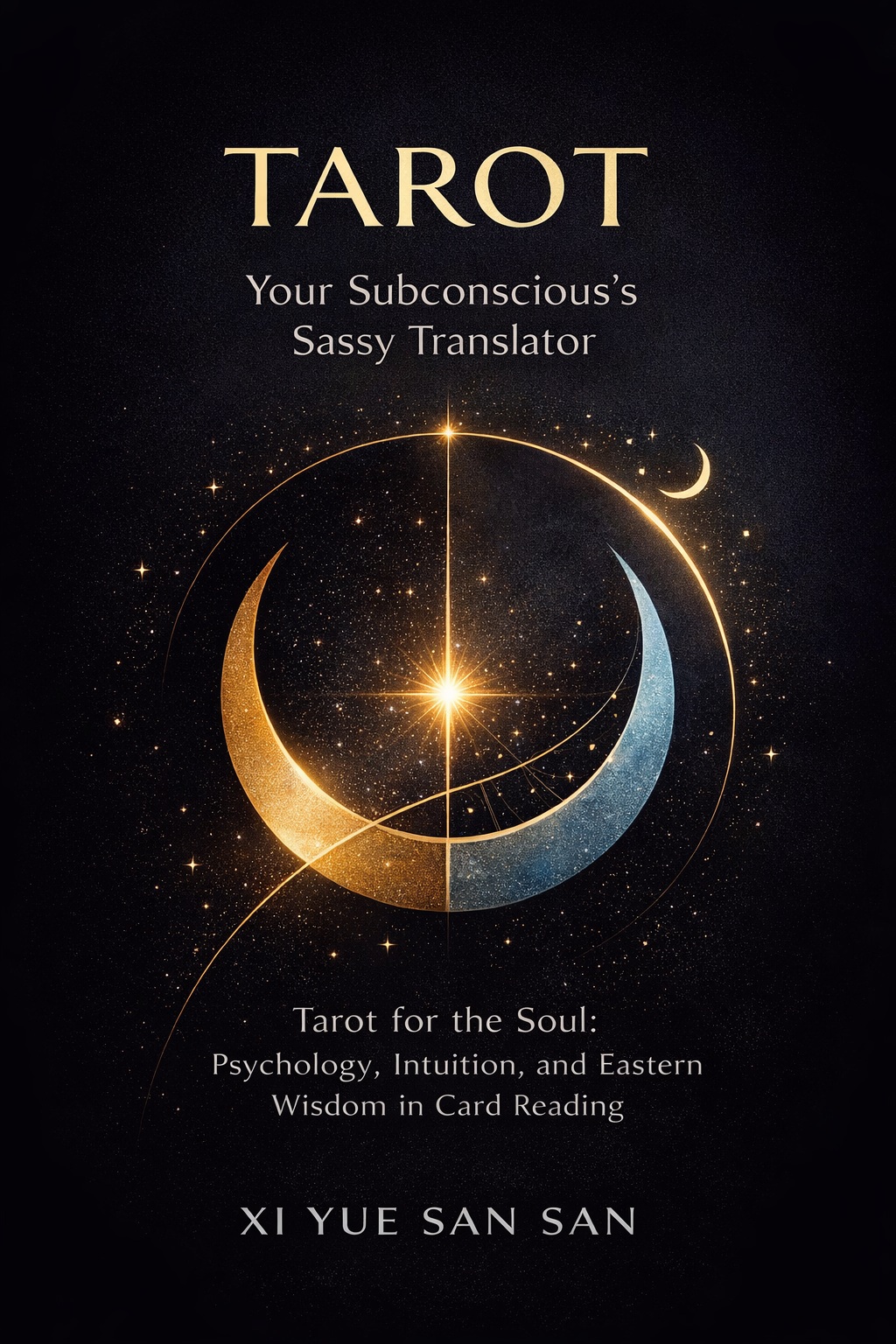
Book recommendation
Tarot: Your Subconscious's Sassy Translator is a useful companion for these essays: direct, psychological, and grounded when a reading needs to sound more honest than pretty.
Open the book page