Your friend cancels dinner. She is tired, she says, and the week has got away from her. You type no problem with a cheerful little face. Then you stand at the kitchen counter feeling foolish about the food you bought. The feeling seems too large for one cancelled meal. By the time you put the vegetables away, you have decided you probably matter less than you thought.
It is possible that this friendship needs a conversation. It is also possible that tonight has touched an older hurt. Both deserve a closer look. Asking tarot what emotional wound needs attention can be useful if the question leads you toward that closer look, rather than toward a dramatic story you feel obliged to believe.
You do not have to uncover your deepest wound today. Start with the hurt that is already interrupting your evening. That is enough material. The cards can offer language and pictures for reflection; they cannot discover a hidden diagnosis, prove another person's motives, or decide which part of your past caused your reaction.
Describe the hurt before you explain it
Write what happened without interpretation. Dinner was cancelled at four. I had already bought ingredients. This is the second cancellation this month. Then write what you felt. Disappointed. Angry. Embarrassed that I was looking forward to it so much. Those words may seem less impressive than abandonment wound, but they are much easier to work with.
Next, write the sentence that arrived after the feeling. Nobody chooses me unless there is nothing better available. Notice how far that sentence travels. It begins with a plan for Thursday and ends with a verdict about your place in every relationship. You do not need to shame yourself for making the leap. You can simply mark where it happened.
Ask whether you recognize that sentence from elsewhere. School friendships? A relationship in which you waited around for someone? A household where your plans were always the first to be moved? If you do not know, leave the space blank. Uncertainty is more useful than filling the page with a history the cards have not actually verified.
What is the Three of Swords asking you to name?
The Three of Swords is easy to overread when you are upset. Its image can feel like a verdict: betrayal, heartbreak, disaster. For this exercise, use it as an invitation to finish a smaller sentence. The part that hurts is... Maybe the answer is that you cleaned the apartment because you wanted your friend to feel welcome.
Maybe it is that she did not suggest another date. Maybe it is the money spent on ingredients when your budget is already tight. Being precise does not make the emotion less meaningful. It helps you identify what kind of response would actually help. An apology about timing is different from reassurance about affection, and neither pays for the food.
You may discover several hurts that need different things. One needs a conversation. Another needs permission to be sad. A third needs you to stop organizing dinner for someone who repeatedly cancels. A single word like rejection can hide these differences. Let the details make the reading a little untidy.
Leave the other person's mind outside the spread
It is tempting to ask, Why doesn't she care about me? But that question has already decided that she does not care. A spread built on it may keep producing interpretations that fit the accusation. You will finish with more confidence and no more information. Try asking what you need to know before deciding what the cancellation means.
You might need to ask whether she wants to reschedule. You might need to notice whether she follows through when you stop doing all the arranging. You may already have enough examples of an unequal friendship. Whatever you find, use behavior and conversation to assess the relationship. The cards cannot give you access to her private thoughts.
This also protects you from blaming everything on your own history. A friend who is repeatedly inconsiderate does not become considerate because you have an old sensitivity. You can acknowledge the old hurt and still expect reasonable treatment now. Self-exploration should leave room for your judgment, not quietly disqualify it.
Four cards for a manageable conversation with yourself
Use these positions: What happened inside me? What am I assuming? What do I need? What is one response I can choose? Keep the questions visible beside the cards. If you start inventing a story about someone else's secret intentions, return to the wording. The spread is about your experience and your available choices.
Imagine drawing the Five of Cups, the Moon, the Six of Pentacles, and the Queen of Swords. You might read the Five of Cups as disappointment, the Moon as uncertainty, the Six of Pentacles as a wish for mutual effort, and the Queen of Swords as a prompt for a clear request. These are possible interpretations, not instructions delivered by an authority.
Write a response that fits the situation: I was disappointed because I had already planned dinner. I would like you to suggest the next date. You may decide not to send it yet. Read it after you have eaten something yourself. A sentence often sounds different when you are no longer standing beside an untouched chopping board.
The hurt you are embarrassed to admit
Sometimes the wound has an unflattering surface. Your sister announces a pregnancy, and you feel jealous. A colleague gets praised, and you want to list every mistake they made. Your friend moves into a beautiful flat, and you spend the visit examining the damp patch near the window. You know what you are doing, which makes you feel worse.
You do not have to turn the first feeling into your public behavior. You can congratulate someone and take your complicated feelings elsewhere. In private, ask what the jealousy points toward. A wish for recognition? Grief about a plan that has not happened? Fear that everyone is moving forward while you are still checking prices in the supermarket?
The Four of Cups might help you look at that last feeling without declaring you ungrateful. You can appreciate parts of your life and still ache for something missing. Write the missing thing directly. I wanted a home where I could paint the walls. That sentence may take you further than telling yourself to raise your vibration until envy disappears.
Anger needs a subject
You may draw the Queen of Wands and think you should feel empowered. Instead you mostly want everyone to stop asking you things. Stay with what is there. Anger becomes easier to discuss when it has a subject: I am angry that my brother assumes I will care for our parent every weekend.
Now the reading can become practical. Which weekends are you willing to cover? What help is needed? Who else should be part of the conversation? A clear request may still be refused. Tarot cannot remove that difficulty. It can help you notice that you have been trying to solve a real disagreement by becoming endlessly patient.
Do not send an angry message just because a card seems bold. Draft the request, check the facts, and decide when to speak. If you need a boundary, make it something you can carry out. I cannot cover Saturday is clearer than you must finally appreciate everything I do. Appreciation matters, but you cannot schedule another person's gratitude.
Grief does not always arrive with a funeral
An emotional wound may be the life you expected and did not get. The course you could not afford. The friendship that faded without a proper ending. A year spent waiting for circumstances to improve. You may hesitate to call this grief because somebody else has suffered something you consider more serious.
If the Five of Cups helps you give the loss a name, let it. Then resist the urge to hurry toward the cups still standing. In a reflective reading, you do not have to find the bright side before you have described what is gone. You can say that you miss the neighborhood where people knew your name.
Afterward, ask what is possible now without pretending it replaces the loss. Calling an old neighbor may be possible. Recreating that whole time in your life is not. A new friendship can matter while the old one still hurts. The notebook can hold both sentences without forcing you to declare that everything happened for the best.
Do not make healing another performance
There is a particular kind of exhaustion that comes from constantly monitoring whether you are doing enough inner work. You have the journal, the prompts, the saved videos, and a list of feelings you apparently need to release. Even a quiet evening becomes an assignment. You feel behind at getting better.
You can leave the cards in their box tonight. A reading is useful when it helps you understand or choose something; it is not a daily payment that keeps bad experiences away. Missing a ritual does not mean you have refused a lesson. You are allowed to spend an evening watching something silly without extracting a message from it.
If you do read, stop when you have one usable observation. I get especially upset when plans change without notice. That is plenty. You can consider how to communicate it next week. You do not need to solve every cancelled dinner, every childhood disappointment, and every relationship on the same sheet of paper.
Try a request before a complete explanation
You might know exactly why a situation hurts and still struggle to ask for what you need. The explanation can become a hiding place. You send six paragraphs about your history when what you want is a text if someone will be late. The other person responds to the history, and the practical request disappears.
Try saying the request first. Please let me know if you will be more than twenty minutes late. Then decide how much background you want to share. You do not have to submit an autobiography to justify a reasonable preference. Nor does sharing a painful story oblige the other person to meet every request.
Their response gives you information you can use. They might agree and follow through. They might agree and forget. They might explain a limitation you had not considered. Notice the pattern over time. You can revisit the cards afterward, but bring the actual response with you instead of asking the deck to replace it.
Some pain needs a person beside you
If exploring a hurt becomes overwhelming, stop. Do something ordinary that helps you notice the present room, and reach out to someone trustworthy if you want company. You do not need to press through distress to make the reading count. Intensity is not a measure of insight, and tears are not a requirement.
Persistent distress, intrusive memories, or difficulty managing daily life deserve appropriate professional attention. The NHS overview of PTSD explains when to seek help for trauma-related symptoms. A tarot spread cannot determine whether those symptoms apply to you. You can ask for help without first giving your experience a clinical name.
A trusted friend can listen, but they do not have to become your therapist. Ask whether they have time and energy for a difficult conversation. Be clear about what you want: company, a listening ear, or help finding support. There is care in making the request understandable, especially when you feel too tired to speak elegantly.
Check whether you want advice or acknowledgment
You tell somebody about the cancelled dinner, and they immediately suggest three other people you could invite. Their suggestions are sensible. You still feel more alone. What you wanted first was for someone to understand that you had been looking forward to seeing this particular friend. Another guest would solve an empty chair, but not quite the same problem.
You can say that without rejecting the person's effort. I know there are other things I could do. Could you just listen for a minute before we make a plan? This gives the conversation a chance to meet the need you actually have. It also helps the listener, who may be offering solutions because they do not know what else to do.
Ask yourself the same question during the reading. Am I trying to decide something, or do I need to acknowledge that this hurt? If you are not ready for action, write the feeling and stop there. Tomorrow's version of you can consider the message, the friendship, and what to do with the extra food.
Keep a record of what changes
A week later, look back at the reading and add a few lines. Did you make the request? Was it heard? Did the feeling pass on its own, or does the same situation keep reopening it? You are gathering information about your life, not grading your progress. An uncomfortable answer can still help you make a better decision.
Perhaps your friend apologizes and books the next dinner herself. Perhaps she does not, and you decide to put less effort into arranging plans. Perhaps the cancellation was a small part of a larger loneliness you need to address elsewhere. None of these outcomes makes the first feeling foolish. It was asking for attention, though it may not have had the whole story.
For tonight, the vegetables still need using. You could cook some and freeze the rest. You could call somebody who is available. You could be disappointed without turning dinner into a verdict about whether you deserve company. There may be a deeper hurt here. You can approach it slowly enough to keep eating, sleeping, and living while you learn what it needs.
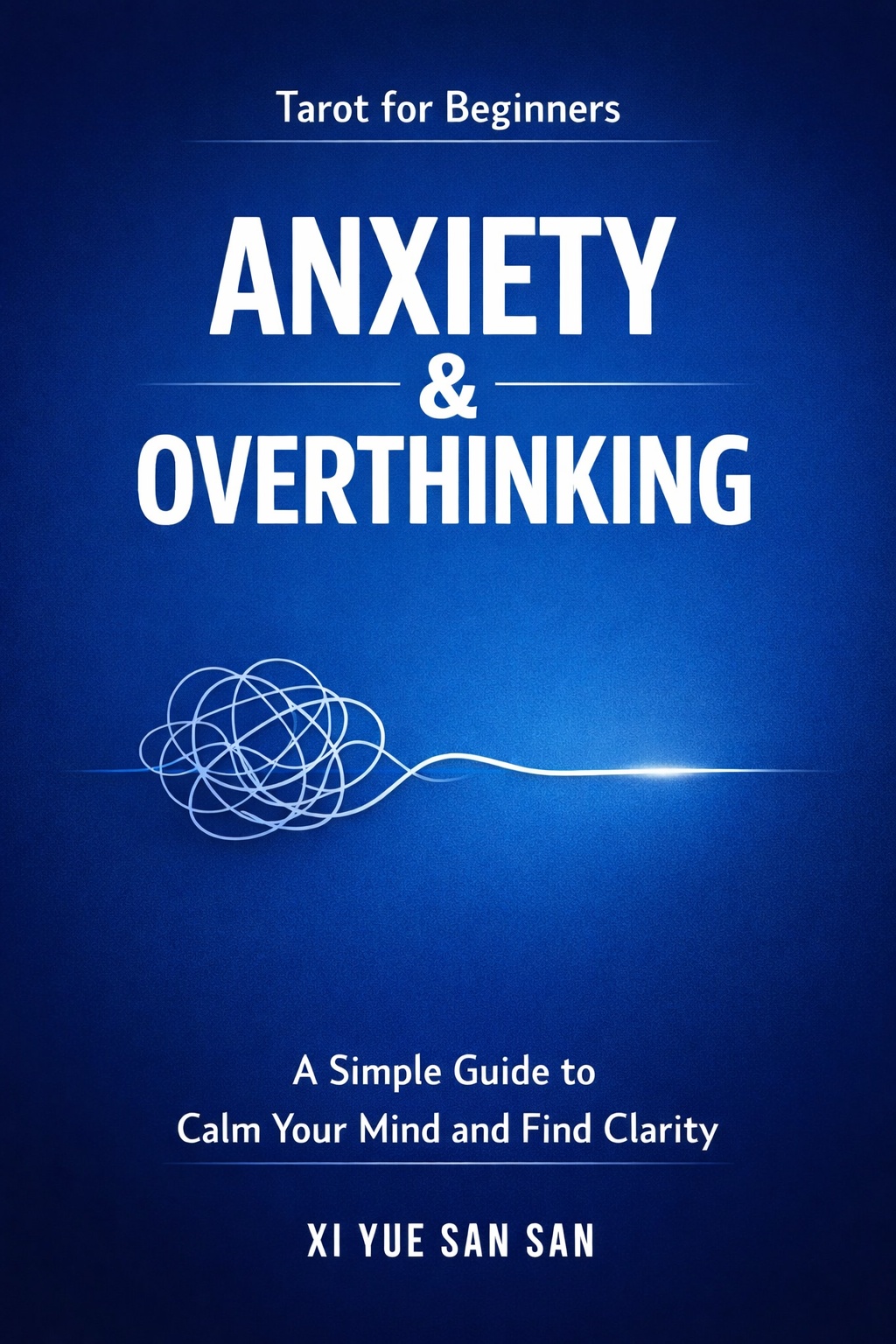
Book recommendation
Anxiety & Overthinking by Xi Yue San San. The book catalog introduces Anxiety & Overthinking as a guide to calm and clarity. It is a relevant choice if a disappointment sends you into repeated guessing about what other people think. Treat the book as an optional reflective companion, not a substitute for professional care.
Open the book page