Someone offers to bring you dinner, and you say you have already eaten. You haven't. The fridge contains mustard, half a lemon, and a container you no longer trust. But accepting the offer feels oddly exposing. You would rather make toast than admit that being cared for would be a relief.
Later you wonder whether your heart is closed. Maybe you search for a heart chakra reading because the phrase seems to describe the distance between wanting love and letting anyone come near enough to offer it. There is a wish underneath the question: I would like closeness to feel less difficult. I would like to stop flinching at the good parts.
If heart chakra language is meaningful to you, you can use it as a spiritual or symbolic way to explore giving, receiving, grief, and trust. Tarot cannot measure an energy center or establish that it is blocked. We can work with the experience you recognize without treating a card as a medical test or a command to open up.
What does closed actually mean today?
Before drawing, choose an example. You decline help. You change the subject when a friend asks how you are. You date people who are rarely available. You become suspicious when somebody is kind. Each situation may have a different explanation. Calling them all a closed heart can make the next step harder to see.
There are also times when distance is sensible. You may be tired, uninterested, grieving, or protecting yourself from someone who has repeatedly hurt you. You do not owe everyone access to your private life. Wanting more love does not mean every invitation deserves a yes, or that every hesitation is a defect to overcome.
Write two sentences: I would like more of this. I do not want more of that. Perhaps you want companionship without constant texting. Help without a lecture. Affection without pressure to make a decision about the future. These distinctions give your reading somewhere more useful to go than the vague instruction to become more open.
The Four of Pentacles and the cost of staying guarded
The Four of Pentacles can be a good image for holding tightly. You might see your own carefulness in it: never asking too much, never saying the more affectionate thing first, always keeping a way to pretend you did not care. That strategy may have reasons. Start by recognizing what you hope it will prevent.
Maybe you do not want to be embarrassed again. Maybe accepting help once led to months of reminders about what you owed. Maybe a private story became gossip. You can respect the reason for caution while asking whether the same rule belongs in every relationship. A trustworthy friend and a manipulative ex are not interchangeable because both offered dinner.
Ask what the rule costs you with this particular person. Do you go without help that has been freely offered? Do they stop inviting you because you always seem uninterested? Do you feel lonely while giving the impression that solitude is exactly what you prefer? You are looking for a choice you might adjust, not a reason to condemn your past choices.
Receiving a small kindness is enough to practice
You do not need to tell someone your most painful secret to experiment with receiving care. Start with something small and easy to understand. Let a friend bring the soup. Accept a lift if you want one. Say thank you when somebody compliments your work, without immediately listing everything wrong with it.
Notice the urge to repay the kindness before it has even arrived. You may begin planning an elaborate dinner in return for a twenty-minute lift. Reciprocity matters in relationships, but immediate repayment can make accepting anything feel like another bill. You can appreciate a gesture and allow time for care to move both ways.
If you are unsure whether an offer has conditions, ask. That would help; are you sure it works for you? For larger favors, discuss expectations clearly. A reflective practice should make real agreements easier to have. It should not persuade you to ignore uncertainty because you drew the Ace of Cups and feel you must trust.
The Two of Cups cannot certify a relationship
The Two of Cups often brings relief in a relationship reading. You want it to mean that this person is safe, mutual, and ready. But a card cannot establish those things. You find them in how the person treats you, responds to limits, handles disappointment, and follows through over time.
Use the image to ask what mutuality would look like in your situation. Do both people initiate plans? Can you disagree without being punished? Does an apology lead to a change in behavior? Are you interested in the person as they are, rather than in the version you keep hoping will arrive?
Those questions may produce a less romantic answer than the card's picture. They may also protect your ability to care. Becoming more open does not require making yourself available to someone who refuses ordinary respect. You can want love deeply and decide that a particular relationship is not where you want to practice trust.
A spread for wanting closeness and needing limits
Try four positions: What kind of closeness do I want? What makes it difficult? What limit would help? What small invitation can I offer? The third card matters. People often skip directly from fear to vulnerability, as though the only way forward is to remove every protection at once.
Suppose you draw the Three of Cups, the Nine of Wands, Justice, and the Page of Cups. You could read them as wanting friendship, expecting another letdown, needing clearer agreements, and making a modest invitation. A practical result might be asking one friend to meet for coffee for an hour, rather than hosting a whole evening you do not have the energy for.
Tell them what works. I would love to see you, and I need to head home by three. Then allow the meeting to be ordinary. You may talk about work, a leaking tap, and somebody's terrible commute. Closeness does not need a confession at every table. Sometimes it grows through being comfortably unremarkable together.
Grief can make warmth difficult to recognize
After a loss, an offer of care may arrive beside the sharp reminder that it comes from the wrong person. Someone makes you tea, and you want the person who used to know exactly how you liked it. You can be grateful and upset at the same time. There is no need to pick the more socially acceptable feeling.
If the Five of Cups appears, give yourself room to name the absence. You do not have to turn grief into a lesson about opening your heart. A new connection does not replace an old one, and allowing some company does not mean you have finished missing someone. Both can remain true through an awkward afternoon.
You can tell a friend what helps: I would like company, but I don't want advice tonight. Or: Can we talk about something ordinary for a while? If they cannot meet that request, you can look for another kind of support. A tarot card does not set the pace at which you should become ready for a new relationship or a different life.
Say the preference before resentment writes the speech
Sometimes what feels like a closed heart is a long accumulation of unsaid preferences. You keep agreeing to restaurants you dislike, plans that are too expensive, and calls when you need to sleep. Eventually you want everyone to leave you alone. It can seem as though affection itself has become exhausting.
Try speaking earlier and more plainly. That restaurant is outside my budget. Could we eat somewhere cheaper? I want to talk, but tomorrow would be better. I like spending time together, and I also need an evening to myself. These sentences may feel less generous than silently accommodating everything. They can also make your yes more honest.
The Queen of Swords can sit beside the Queen of Cups in this reading. One image reminds you to be clear; the other reminds you to remain attentive to feeling. You do not have to choose between being warm and being understandable. Nor do you have to add five apologies before stating where you would like to eat.
Do not use forgiveness to hurry yourself
You may have heard that a heart cannot open until it forgives. That can become a cruel deadline when you are still dealing with what happened. You do not have to force a feeling or resume contact to make a spiritual practice legitimate. Forgiveness means different things to different people, and you are allowed to decide whether the word helps you.
If a person has hurt you, consider what you need now. An apology? Distance? A practical agreement? Support from someone outside the relationship? None of these needs becomes unreasonable because you drew a gentle card. The Star can prompt a wish for relief without telling you to welcome someone back into your home.
You can also grieve the relationship you wanted without restoring the relationship that existed. That is a difficult distinction. You might still miss the person and choose not to contact them. A reading can give those feelings a page to sit on while you keep the boundary you have decided is necessary.
Love includes the life around romance
If you are single, a heart-focused reading can quickly become a waiting room for a partner. Every card turns into a clue about who is coming and when. Meanwhile your friend has invited you for a walk, your neighbor has left oranges outside your door, and you have been meaning to call your cousin for weeks.
Those connections do not have to replace romantic longing to deserve attention. You can want a partner and invest in friendship. You can miss physical affection and still enjoy the reliable warmth of somebody remembering an important date. There is no need to pretend one kind of love satisfies every need.
Ask the Six of Pentacles where care is already moving in your life. Then make an actual response. Return the call. Thank the neighbor. Ask the friend how their appointment went and listen to the answer. If you are isolated, consider one accessible place where repeated contact might be possible. Keep the step suited to your energy and circumstances.
A quiet ritual with no promise attached
If you enjoy ritual, place one card near a cup of tea and write a sentence about the kind of care you would like to practice. You might choose the Empress for receiving comfort, Temperance for a gentler pace, or a card whose colors you simply like. The selection does not need a grand explanation.
Keep the ritual optional and brief. You do not need special purchases, a perfect room, or a particular sensation in your chest. If focusing inward feels uncomfortable, look at the card or the room instead. You are free to stop. The ritual is there to support your reflection; you are not there to perform correctly for it.
Choose one action that makes sense afterward. Accept the meal. Send a clear invitation. Tell someone you enjoyed seeing them. Or cancel a plan that you agreed to out of guilt. A practice about love can include an honest no. Your capacity to care does not have to be demonstrated through constant availability.
Let the other person have a preference too
An invitation is easier to trust when both people can answer honestly. If you ask a friend to meet and they suggest a different day, pause before treating the change as rejection. They may be trying to find a time when they can actually enjoy seeing you. You can ask for clarity if the reply is vague, and you can notice whether they ever follow through.
The same permission applies when you are the one offering care. Ask whether someone wants company before arriving with a plan to rescue their evening. They might prefer a short call, a meal left at the door, or some time alone. Let their answer shape the offer. Affection does not give either person complete knowledge of what the other needs.
This can feel less romantic than anticipating everything perfectly. It is also easier to live with. Two people who can state a preference, hear a no, and make another suggestion have more room to find a kind of closeness they both want.
When the answer is slower than you wanted
You may make the invitation and hear nothing for a day. You may accept help and still feel embarrassed. You may enjoy a date, then spend the next morning searching for a reason it will go wrong. One reading will not necessarily change a familiar response. Resist using that as evidence that you are spiritually blocked beyond repair.
Look for smaller information. Did you say what you wanted? Did the other person respect your limit? Were you able to enjoy ten minutes without planning an exit? If the answer is no, consider what made it hard and whether more support would help. You are learning about a particular situation, not passing an exam in being lovable.
Tonight, you can answer the dinner offer honestly. I haven't eaten, actually. That would be lovely. You may still want to add a joke so the sentence feels less exposed. Fine. Leave the main sentence there. Somebody has offered something kind, and you have allowed them to hear that you would like it.
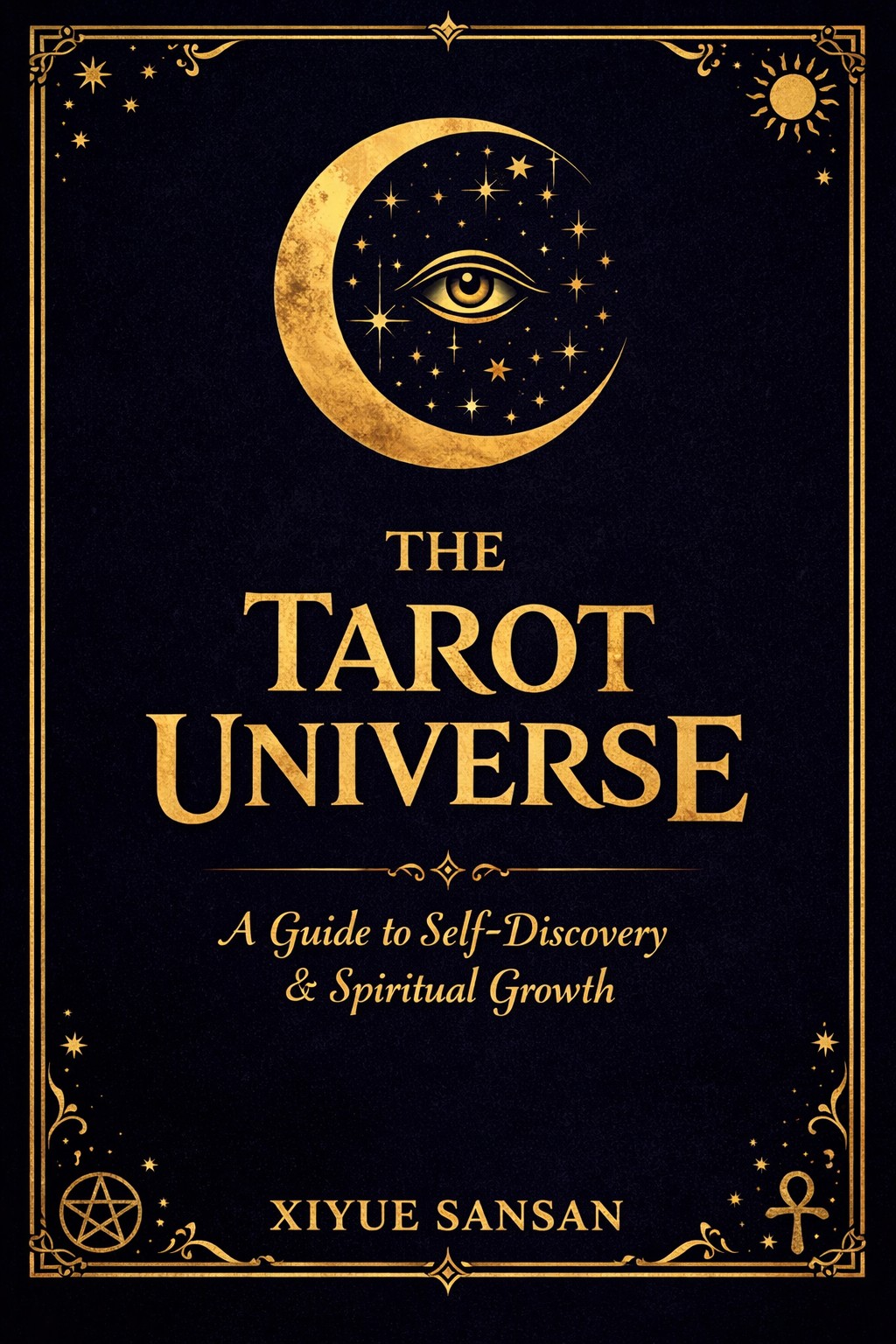
Book recommendation
The Tarot Universe by Xi Yue San San. The Tarot Universe appears in the book catalog as a guide to self-discovery and spiritual growth. It is a relevant companion if you enjoy symbolic language for exploring closeness and trust. Keep your own experience and the other person’s actual behavior at the center of the reading.
Open the book page