Someone asks how you are, and you say fine because nothing else will fit between the lift doors opening and closing. Work is happening. The rent is paid. You bought the groceries you meant to buy, except for the one thing you went in for. By the usual account of a functioning week, you are doing all right. Yet something in the day feels missing, and you cannot quite name it without sounding ungrateful.
What is my soul's current state of well-being, and what does it crave? It is a large question for a Tuesday evening. Perhaps soul is the word you use for your deepest values, your spiritual life, or the part of you that notices whether the life you are living feels like your own. You do not need to agree on a precise definition before you can explore the question honestly.
Tarot offers images to think with. It cannot measure the condition of a soul or certify that a particular desire is a message from a higher authority. A reading can help you notice what you miss, what matters, and what you want to do next. Keep your ordinary needs and circumstances in the conversation. Even a deeply spiritual question is being asked by someone who has to eat, work, and find their keys.
Begin with the week you actually had
Before drawing cards, look back over the last few days. What took most of your time? Who did you speak with? When did you have a moment that felt absorbing, pleasant, meaningful, or simply less effortful? Avoid reaching immediately for a summary such as disconnected or unaligned. Those words may be useful later, but first collect a few recognizable moments.
Perhaps you enjoyed explaining something to a colleague and then spent the rest of the day answering messages that led nowhere. Perhaps you felt most like yourself while making a ridiculous birthday card for a friend. Perhaps the only quiet moment was sitting in the car after an errand, unwilling to go inside yet. These details deserve attention because they belong to your experience, not to an ideal version of spiritual well-being.
Write down one moment you wanted more of and one you wanted less of. They can be surprisingly ordinary. More uninterrupted conversation. Less checking whether somebody has answered. More time making food you like. Less pretending to agree. You are not yet deciding how to change your life. You are giving the reading enough detail that the cards have something specific to help you consider.
Do not turn a feeling into a score
It can be tempting to ask whether your soul is doing well, as if you might receive a mark out of ten and know where you stand. But a difficult week does not establish spiritual failure. Sadness, irritation, uncertainty, and boredom are not evidence that you have become less worthy or fallen behind some invisible schedule. The reading does not need to grade you before it can be useful.
The Star might prompt a question about hope. Where does it feel available, and where does it feel hard to reach? The answer can contain both. You may feel hopeful about a friendship and discouraged about work. You may be proud of a decision and lonely because of it. Let the different parts remain different rather than forcing one card to pronounce on your whole life.
Try replacing how well am I doing with what deserves attention. The second question leaves room for care without a verdict. It also allows you to acknowledge something good without using it to dismiss what hurts. You can appreciate having a home and still want more companionship in it. Gratitude does not cancel a need merely because someone else might wish for what you already have.
Sometimes you crave rest and call it a new beginning
At the end of a crowded week, a different life can look very attractive. A new city, a new job, a course somewhere by the sea. You browse photographs and feel briefly certain that your soul wants transformation. Maybe you do want a significant change. But it is worth asking whether you have had enough room to think about it apart from the immediate wish to stop being tired.
Use the Four of Swords as a prompt for that distinction. What would a less demanding evening look like within your actual circumstances? What can wait? What help might be available? If nothing can easily change, name that honestly. A lack of rest may reflect responsibilities or conditions that are not solved by a better attitude, and a reading should not turn those constraints into a private spiritual assignment.
You do not have to dismiss the bigger wish. Write it down and return to it when you have a better opportunity to consider the practical details. A desire that remains worth exploring can survive being examined. Meanwhile, choose whatever modest relief is available tonight. The dream of an entirely different life need not be the only form in which you allow yourself to want less pressure.
Sometimes you crave company without another performance
You can have a full message history and still miss being known. There are updates, jokes, photographs, and plans, but perhaps little room to admit that you are confused or having an unremarkable bad day. You may not want more social activity. You may want one conversation in which you do not have to provide a cheerful version of yourself before you are welcome.
The Three of Cups can invite a question about the kinds of company you enjoy. Who lets the conversation wander? Who can sit with a pause? Who leaves you feeling that you do not need to review every sentence afterward? These are observations about your experience, not a way for tarot to certify who is spiritually compatible with you. Look at how the relationship actually feels and behaves over time.
Choose a small invitation if you want one. Do you have time for a walk this week? Could we have tea without making it a whole evening? I have had an odd few days and would like some company. The other person may be busy, and you may need to try another time or another form of connection. One unavailable evening does not prove that asking was a mistake.
Sometimes you crave being interested in something again
You open an app, close it, and open another. Everything is briefly distracting, but little holds your attention in a satisfying way. It may help to ask what you are curious about when nobody expects an outcome. You once liked learning the names of birds. You used to take apart recipes to see what made them work. You have a question about a place you pass every day.
The Page of Wands can stand for permission to follow a modest interest without announcing a new identity. Read a few pages. Sketch the building. Try the recipe with what is already in the cupboard. There is no need to decide whether the interest could become a career, a side income, or evidence that you are an interesting person. It can belong only to an afternoon.
If nothing appeals right now, do not force a list of passions. You can notice that too. Perhaps the available time is too interrupted, or perhaps the question needs to stay open for a while.
If a persistent loss of interest or other distress is affecting daily life, consider talking with a qualified healthcare professional. The NHS information on depression explains symptoms and when to seek help. Tarot can accompany reflection; it cannot determine the cause of an ongoing difficulty or decide what care you need.
A five-card check-in with room for practical answers
Try these questions: What has mattered to me lately? What have I been overlooking? What do I wish there were more room for? What real constraint needs respect? What small response can I choose? The constraint card is not a symbol of your lack of faith. It gives rent, care responsibilities, health, time, and other realities a place in the reading before you make promises to yourself.
Imagine drawing the Six of Pentacles, the Hermit, the Page of Cups, the Two of Pentacles, and the Eight of Pentacles. You might think about how much you have been giving, a wish for private time, an interest in making something, a crowded schedule, and a short regular practice. That is one possible interpretation. Check it against your week rather than accepting it because the sequence sounds coherent.
Perhaps the response is twenty minutes drawing after lunch on Sunday. Perhaps you realize that solitude is the last thing you want, and the Hermit instead prompts you to notice how isolated your week has been. You are allowed to disagree with an interpretation, including your first one. A useful reading creates questions you can examine; it does not require loyalty to the first story you tell about the pictures.
Meaning may arrive through contribution
When something feels missing, you may think only about what you need to receive. Sometimes you also miss offering something you value. This is different from being expected to help everyone. You might enjoy teaching a skill, making a meal for someone, repairing a shared object, or participating in a local project. The relevant question is whether the contribution has meaning for you and fits what you can offer.
The Six of Pentacles can prompt a look at both willingness and limits. What do you want to give? What can you give without making a promise you will later resent? Be specific about time, money, and effort. A small commitment kept honestly may feel more satisfying than a generous offer made in a rush and carried afterward as another burden. You are allowed to choose the size.
Also notice whether giving is the only way you permit yourself to belong. If you cannot attend a gathering without bringing enough food for twelve people, what would arriving with your own company feel like? You may still choose to bring something. The question is whether the choice feels available. Contribution can be meaningful without becoming the admission fee you pay for every relationship.
A craving can point toward a value without dictating a plan
Suppose you feel a strong wish to leave your job. The wish deserves attention, but it does not automatically supply the right next step. What part of the imagined change attracts you? More autonomy, a shorter commute, different work, recognition, or simply being away from a particular situation? Several different needs can gather inside the same sentence, and they may lead to different choices.
The Chariot can be a prompt to name a direction while keeping the practical questions visible. If autonomy matters, what options could give you more of it? If the commute is the main strain, what changes are feasible? If you want different work, what information do you need about it? Tarot cannot guarantee employment, income, or a successful outcome. Consequential choices deserve real information alongside reflection.
You might decide to explore a major change. You might choose a smaller adjustment first. You might discover that no available option is easy, which is frustrating and worth admitting. The reading does not need to transform difficulty into a beautiful lesson. It can help you state the problem clearly enough to discuss it with someone who knows the practical area or can support you while you decide.
Leave room for grief without assigning it a purpose
Sometimes what your soul seems to crave is a person, place, or time you cannot get back. A familiar kitchen. Someone's particular laugh. The version of a friendship that existed before life became complicated. There may be no new hobby or morning routine that answers this wish. Calling it a need for growth can feel like being hurried past something you still want to remember.
The Five of Cups can offer a picture beside which to acknowledge a loss. What do you miss specifically? The phone call on the way home. The shared joke nobody else understands. A sense of being expected somewhere. Specific memories can be tender, and you do not need to force them into gratitude or imagine that the cards are delivering messages from somebody who is gone.
You may choose an act of remembrance, speak with someone who knew the person or place, or do nothing more than write a few lines. Let the choice be yours. If grief or distress feels overwhelming, support from a qualified professional or a trusted person can be part of caring for yourself. You are not required to turn every painful experience into a solitary spiritual exercise.
Spiritual practice can be quieter than its packaging
You may be measuring your inner life against photographs of candles, sunrise routines, retreats, and immaculate journals. Meanwhile, your own practice happens on the bus with a battered deck guide, or in a few words spoken before sleep. It is easy to feel that you would be more connected if you owned the right setting. But what part of the practice matters to you when nobody can see it?
The Hierophant might prompt reflection on the traditions, communities, or commitments that have meaning in your life. The Hermit might invite private thought. Neither card requires a purchase or a public declaration. You can ask what you value in the practice: attention, devotion, company, ethical reflection, a familiar rhythm. Naming that helps you choose a form that fits the life you are actually living.
There may be seasons when the usual ritual feels empty. You can notice that without assuming you have lost access to something essential. Try changing the question, shortening the practice, speaking with someone in your community, or taking a break. You do not owe the deck a performance of wonder every time you shuffle. Sometimes honest boredom tells you more than an interpretation you produce because you think you should feel moved.
Choose a response you can recognize next week
Before closing the reading, choose one response and give it a place in your calendar or surroundings. I will call my friend on Thursday. I will put the drawing paper where I can reach it. I will ask about the workload at our next meeting. Keep it small enough that you can later say whether it happened, rather than wondering whether you successfully became more aligned with your deepest self.
Next week, ask what the response showed you. Did the conversation feel nourishing, awkward, both? Did the drawing interest you? Did the meeting clarify anything? Your first guess about what you wanted may have been incomplete. That is useful information. You can choose again without treating the revised answer as proof that you cannot trust yourself or that the cards were withholding the real message.
Tonight, the question may remain partly open. You may know you want more company but not yet know how to find it. You may know you miss making things and still feel too tired to begin. Let the reading end with that honest amount of knowledge. Put the cards away. There is an ordinary evening left to live, and perhaps one small part of it can belong more clearly to you.
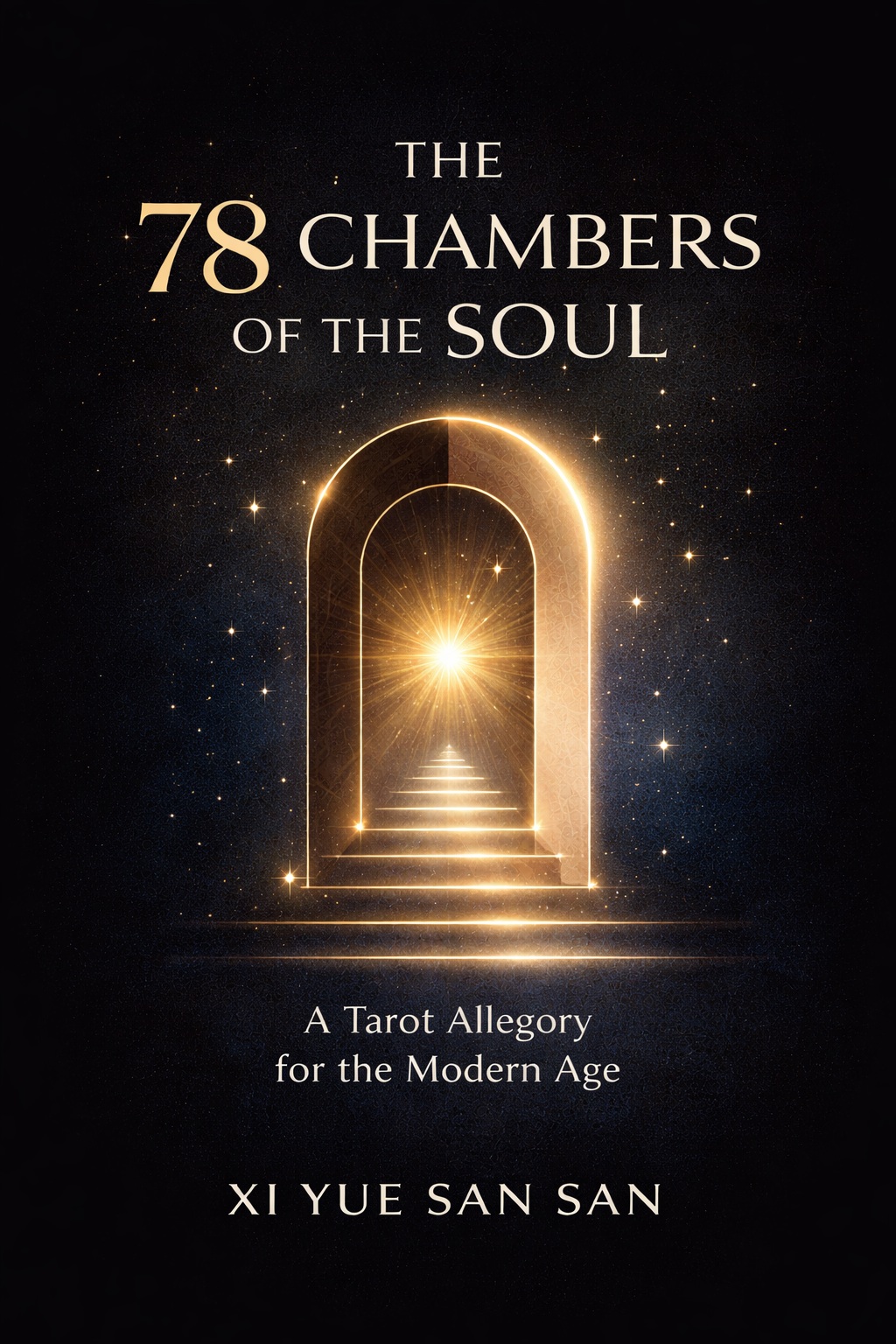
Book recommendation
78 Chambers of the Soul by Xi Yue San San. Books.html presents 78 Chambers of the Soul as a tarot allegory built around archetypal storytelling. It is a relevant companion if stories help you consider meaning and inner life without expecting a reading to produce a score or a final verdict on who you are.
Open the book page